
Orthopedic care has changed dramatically over the past decade, giving patients access to more precise procedures, faster recoveries, and more personalized treatment options. We sat down with Dr. Gregory Montalbano, top-rated orthopedic surgeon and President of iOrtho, to discuss what patients should know about joint pain, robotic-assisted surgery, and the philosophy behind iOrtho’s approach to care.
Q: What has changed the most in orthopedic care over the past decade?
Dr. Montalbano: One of the biggest changes has been the advancement of robotic-assisted joint replacement for hip and knee surgery. Robotics allows us to create a detailed three-dimensional surgical plan based on each patient’s unique anatomy and make highly precise adjustments during the procedure.
This can help us optimize implant positioning, joint alignment, and stability while providing a more personalized approach to joint replacement.
We’ve also seen a major shift toward outpatient and same-day joint replacement. Years ago, patients commonly spent several days in the hospital following hip or knee replacement. Today, advances in anesthesia, pain management, surgical techniques, and rehabilitation protocols allow many patients to safely return home just hours after surgery.
Together, these advancements mean patients are often walking sooner, recovering faster, and returning to the activities they enjoy with greater confidence.
Q: What’s the biggest mistake people make when it comes to joint pain?
Dr. Montalbano: One of the most common mistakes is assuming persistent joint pain is simply something you have to live with. Many people rely on over-the-counter medications every day without ever determining what is actually causing their pain.
Medications such as ibuprofen, naproxen, or acetaminophen may provide temporary relief, but they don’t address the underlying condition. Long-term or inappropriate use can also carry health risks, which is why ongoing pain should be evaluated rather than continually masked.
There are many treatment options available before surgery is considered, including physical therapy, injections, activity modification, weight management, and other individualized approaches.
Pain is your body’s way of telling you something deserves attention. The goal should be to identify and treat the source whenever possible.
Q: How do you decide whether a patient needs surgery?
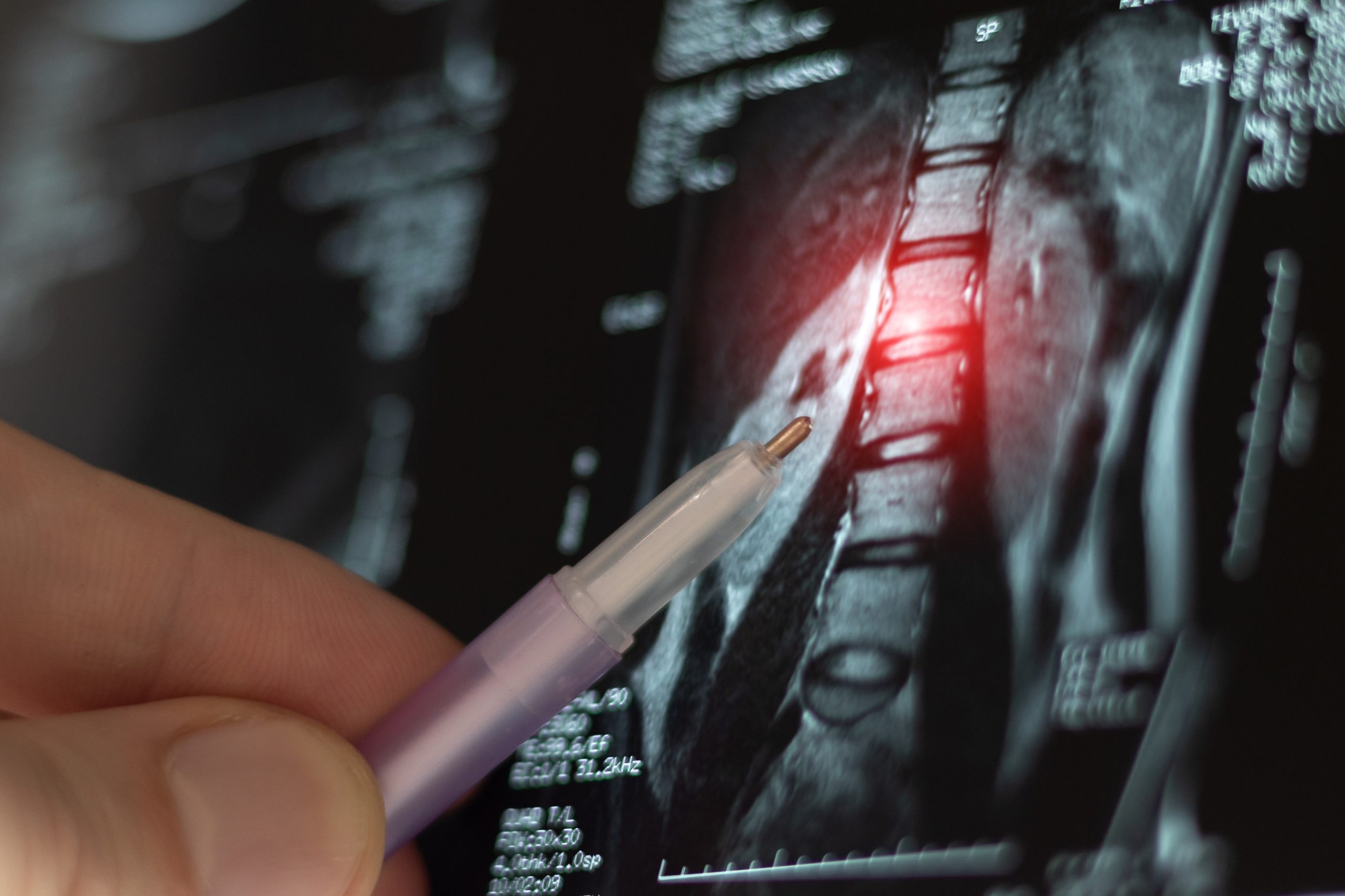
Dr. Montalbano: Surgery is never determined by an MRI or X-ray alone. Imaging is an important tool, but it’s only one part of the decision.
We also look at how the condition is affecting the patient’s quality of life. Is pain making it difficult to walk? Is it interfering with sleep or work? Have they stopped doing activities they enjoy?
Before recommending surgery, we consider the patient’s overall health, goals, previous treatments, and whether there is a problem we believe surgery can successfully correct. Whenever appropriate, we explore conservative treatments first.
Surgery becomes a consideration when less invasive treatments are no longer providing meaningful relief and we believe the benefits of surgery clearly outweigh the risks.
Q: How has robotic technology changed joint replacement?
Dr. Montalbano: I’ve been using robotic technology since 2005, and I’ve watched it evolve tremendously. What began primarily with certain knee procedures has developed into sophisticated technology used for both knee and hip replacement, with additional applications continuing to advance.
One of the greatest benefits is personalization. We can use advanced imaging and computer planning to map a patient’s anatomy in three dimensions before surgery. During the procedure, the robotic system provides additional guidance to help us precisely position implants and balance the joint.
It’s important for patients to understand that the robot does not perform the surgery. The surgeon remains in control throughout the entire procedure. The technology provides information, guidance, and precision that help us execute the surgical plan.
No technology can guarantee an outcome, but robotics has become an incredibly valuable tool for delivering highly personalized joint replacement surgery with exceptional precision.
Q: What philosophy guides the care you provide at iOrtho?
Dr. Montalbano: At iOrtho, we believe exceptional orthopedic care extends far beyond the operating room. We want the entire experience, from a patient’s first phone call through recovery, to be convenient, efficient, innovative, and centered around that individual.
That means investing in technology that makes interacting with our practice easier, including online scheduling, text communication, electronic registration, patient portal access, and streamlined office processes.
Innovation also extends to the care we provide. Our practice offers advanced orthopedic procedures, diagnostic imaging, injections, regenerative medicine therapies when appropriate, and an on-site open MRI. We also offer services designed to complement recovery and overall wellness.
Rehabilitation is a major part of that experience. Our dedicated rehabilitation center includes Keiser pneumatic resistance equipment, aquatic therapy, and recovery amenities designed to help patients regain strength and mobility.
Most importantly, our team includes highly trained orthopedic specialists with experience and education from leading institutions. Our surgeons also perform procedures at NYU Langone Orthopedic Hospital.
Everything we do comes back to one goal: providing world-class orthopedic care through innovation, compassion, efficiency, and a commitment to achieving the best possible outcome for each patient.
Have Joint Pain? Start With an Evaluation
Joint pain doesn’t automatically mean surgery. The first step is understanding what’s causing your symptoms and what treatment options may be appropriate for you.
To learn more about orthopedic care, joint replacement, rehabilitation, and treatment options available at iOrtho – The Orthopedic Institute, contact our team or schedule an appointment.