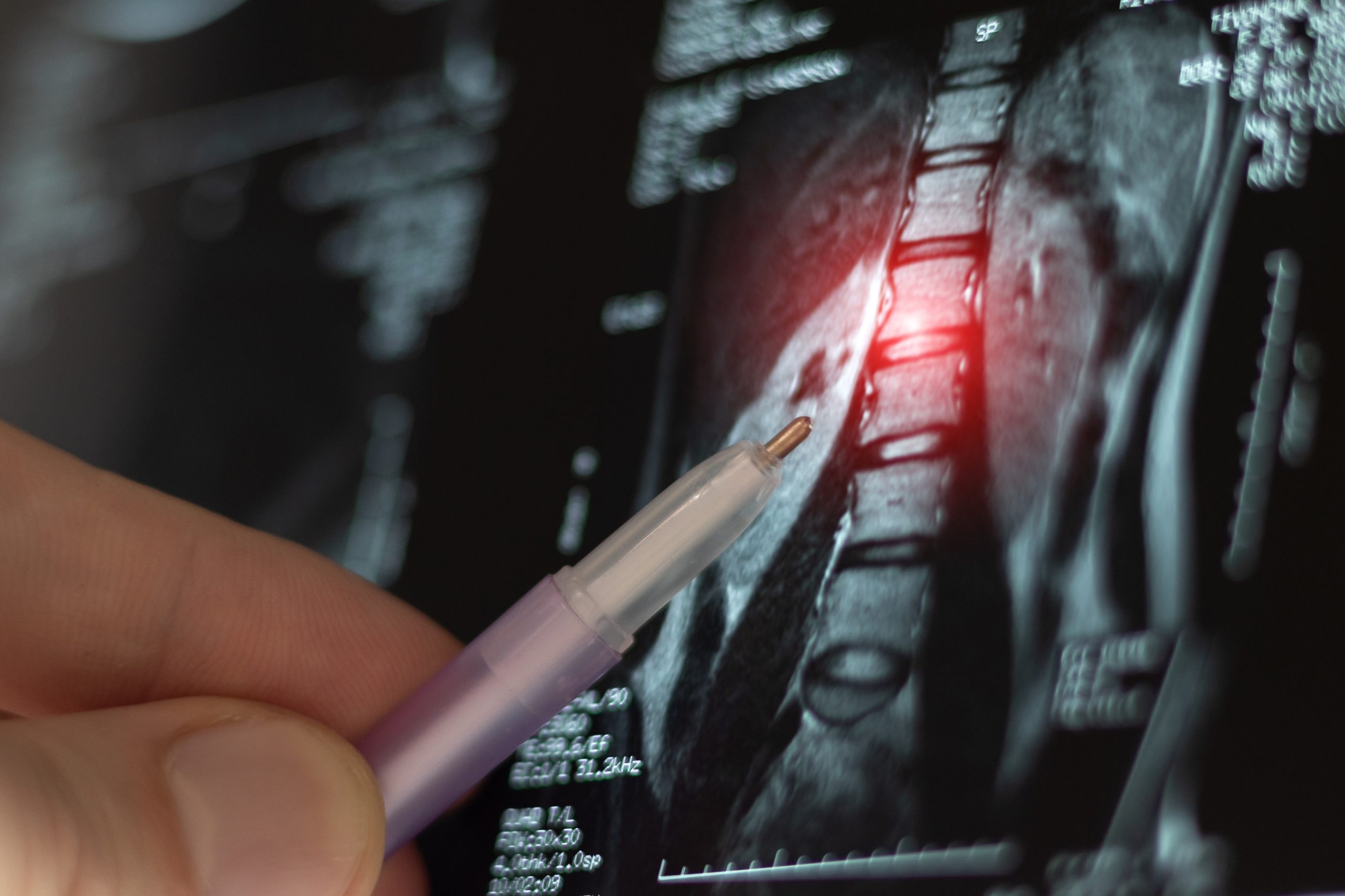

Robotic systems in spine surgery are designed to guide and support the surgeon rather than replace hands on control. The technology provides a detailed map of the spine based on advanced imaging, then helps the surgeon follow the planned pathways for implant placement. The robot does not act on its own. It does not make decisions or perform movements independently. Every part of the operation remains under the direct control of the surgeon from start to finish.
The robotic arm serves as a positioning tool that holds the planned trajectory steady. This is especially useful in areas where anatomy is difficult to visualize or when precise angles are needed to protect nearby nerves. The surgeon advances each instrument manually while the robotic system maintains the correct alignment. In this sense the technology functions as a stabilizing guide that supports accuracy, but the execution of every step still depends on the surgeon’s training and judgment.
Role of the Surgeon and Benefits of Guided Assistance
The surgeon performs the exposure, places each implant, checks alignment, and makes any adjustments needed throughout the procedure. Robotic guidance improves predictability because it follows the preoperative plan closely, yet the surgeon can deviate from the plan at any moment if anatomy or clinical findings change. The technology is a tool rather than an operator.
This relationship between surgeon and robotic system contributes to consistency and safety. By keeping the pathway steady, the system reduces unnecessary movement and helps limit tissue disruption. Smaller access points may be used when the trajectory is clearly defined which supports minimally invasive approaches. The ability to rely on imaging based guidance is also valuable when prior surgery or degeneration has altered normal landmarks.
Although robotic systems offer significant support, surgical expertise remains the primary factor in determining outcomes. The technology enhances precision, but it is the surgeon who plans the procedure, controls the tools, evaluates the anatomy, and ensures that each step aligns with the goals of treatment. The robot assists, while the surgeon remains responsible for the entire operation.