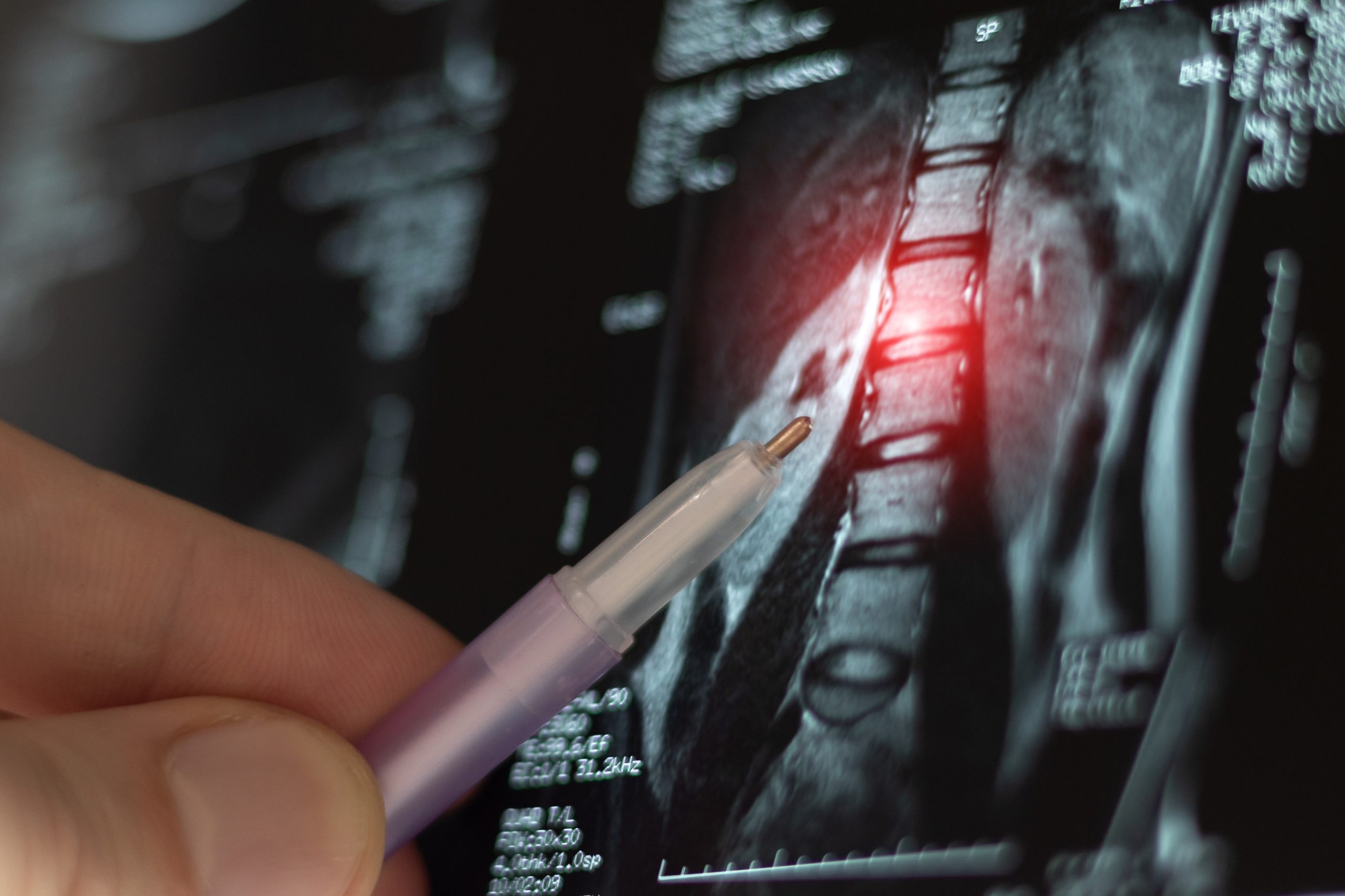

Minimally invasive spine surgery has expanded significantly in recent years, and it now plays a role in many procedures that were once performed only through wide exposures. The approach focuses on reaching the problem area through small access points that move tissue aside rather than cutting through it. This method can be used for both decompression and fusion in the right situations. Each procedure has its own goals, yet both can be supported by modern minimally invasive tools and imaging systems.
Minimally invasive decompression is often used for conditions such as lumbar disc herniation or spinal stenosis. In these situations the main objective is to relieve pressure on a nerve or on the spinal cord. Tube based systems or specialized endoscopic equipment allow the surgeon to remove only the tissue causing the compression. Muscles and ligaments around the spine remain largely intact which can support a smoother recovery. Many individuals with focal nerve irritation respond well to this targeted approach.
How Minimally Invasive Fusion Is Performed
Fusion procedures can also be performed with minimally invasive methods. The goal of fusion is to stabilize a segment that has become painful or unstable due to degeneration, spondylolisthesis, or structural changes. Through narrow working channels the surgeon can place implants, remove the damaged disc, and insert bone graft material to encourage the two vertebrae to grow together. Robotic guidance or advanced imaging often supports this process because accuracy is essential when placing screws through small corridors.
Not every fusion can be completed with a minimally invasive approach. Complex deformity, significant instability or a need for broad correction may require a more traditional exposure. When anatomy and pathology are suitable however minimally invasive fusion can reduce tissue disruption and may shorten the overall recovery time. In practice minimally invasive techniques are useful for both decompression and fusion when they are matched to the right condition. The decision depends on anatomy, stability, the location of the compression, and the goals of surgery. Modern imaging, improved instruments, and increased experience have expanded the role of these techniques and continue to support reliable outcomes for a wide range of spine disorders.